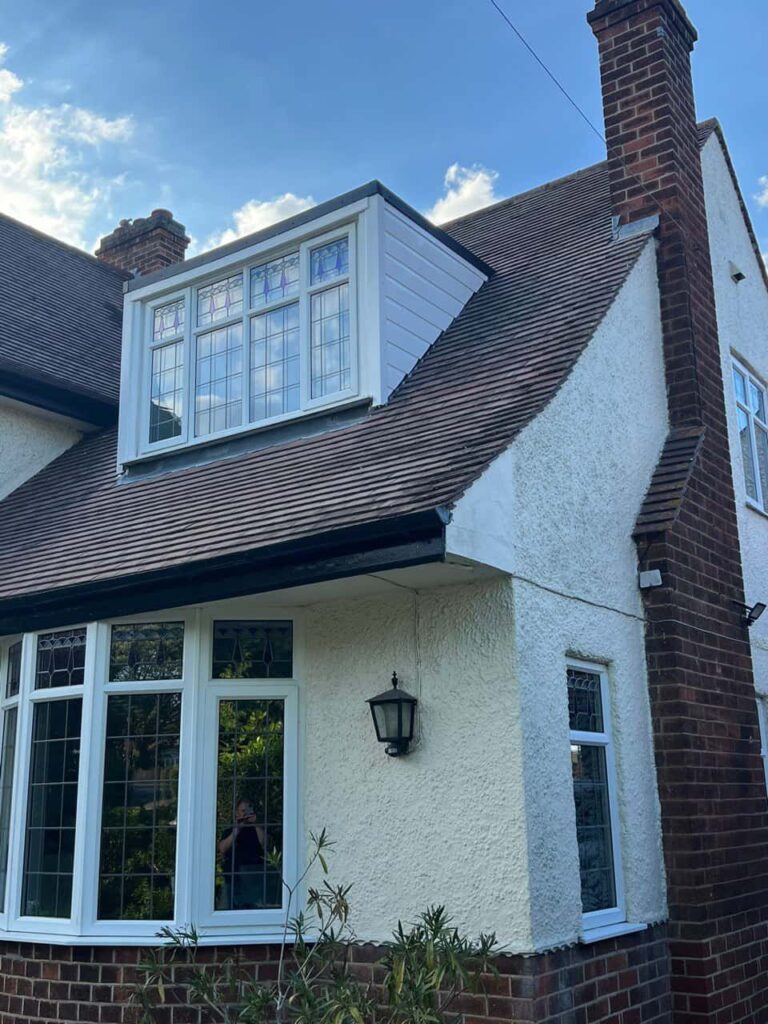
Wet weather does not always create a roofing defect, but it can expose and accelerate an existing weakness. A small opening that causes no visible symptoms during dry conditions may allow water into the roofing system once rain becomes persistent or wind-driven.
For property owners in Alfreton, Nottinghamshire, recognising vulnerable areas early can help prevent a minor defect from affecting underlay, roof timbers, insulation and internal finishes. The following problems are particularly likely to worsen during prolonged wet weather.
Which Roof Problems Are Most Affected by Wet Weather?
A roof works as a complete system. Tiles or slates shed most rainwater, while underlay, flashing, valleys and drainage components help direct moisture away from vulnerable areas. If any of these elements deteriorate, repeated rainfall can make the consequences more noticeable.
1. Slipped, Cracked or Missing Tiles
Roof tiles and slates are arranged to overlap and guide water down the roof. When one moves out of position, cracks or goes missing, the surrounding area loses part of this protection.
During light rainfall, the underlay may temporarily prevent water from reaching the roof space. Persistent or wind-driven rain can place that secondary layer under greater pressure, particularly if it is already worn or damaged.
Warning signs include:
- A visible gap or uneven line in the roof covering
- Tile fragments around the property
- Dampness within the roof space
- New marks appearing on ceilings after rainfall
Prompt inspection can establish whether the problem is limited to the covering or has affected the materials beneath it.
2. Deteriorated Lead Flashing
Lead flashing protects vulnerable junctions where the roof meets a chimney, wall or other change in structure. Cracks, lifting edges or poorly sealed joints can create narrow openings through which rainwater enters.
These defects may only produce symptoms when rain falls from a particular direction. This can make the source difficult to identify, as water may travel beneath the covering before becoming visible inside.
Effective repair requires the flashing and surrounding materials to be assessed together. Simply treating the internal damp patch will not stop further water entry.
3. Damaged or Ageing Underlay
Underlay provides secondary protection beneath tiles and slates. It is not intended to replace the external covering, but it helps manage small amounts of moisture that pass through during challenging weather.
Over time, underlay can become brittle, torn or damaged around fixings. If the covering above is also defective, repeated rainfall can pass through the weakened layer and reach battens, insulation or timbers.
Because underlay is concealed, its condition is difficult to judge from ground level. Dampness in the roof space or water appearing away from an obvious external defect may indicate that a closer inspection is required.
4. Blocked or Poorly Performing Gutters
Gutters must carry rainwater away from the roof efficiently. Leaves, moss and other debris can restrict this flow, causing water to collect or overflow during heavy rain.
Overflowing water may repeatedly wet fascia boards, soffits and external walls. Incorrect gutter alignment, loose joints and damaged brackets can create similar problems by preventing water from reaching the outlet properly.
Signs of poor gutter performance include:
- Water spilling over the gutter edge
- Damp streaks beneath joints
- Sections that sag or hold standing water
- Persistent moisture around the roofline
Clearing a blockage may resolve a simple issue, but damaged or badly aligned components should be repaired to restore effective drainage.
5. Cracks, Open Seams or Standing Water on Flat Roofs
Flat roofs are designed with a slight fall to direct water towards drainage points. If the surface develops low areas, becomes distorted or has inadequate drainage, pools of water may remain after rainfall.
Standing water keeps the covering wet for longer and can exploit small cracks, splits or weakened seams. Repeated wetting may gradually enlarge these defects, increasing the likelihood of moisture entering the structure below.
A professional inspection should assess both the visible damage and the reason water is collecting. Repairing a split without addressing an underlying drainage or surface problem may allow the issue to return.
6. Deteriorated Ridges, Valleys and Mortar
Ridges, valleys and roof edges are particularly exposed to rain and wind. Cracked mortar, loose ridge tiles or deteriorated valley materials may allow water beneath the roof covering.
Valleys require particular attention because they carry concentrated flows of rainwater from adjoining slopes. Debris, cracks or displaced materials can restrict drainage and cause water to spread into surrounding areas.
A localised repair may be sufficient when deterioration is confined. If several areas are affected, the wider roof condition should be examined before deciding on the most suitable work.
Why Wet-Weather Roof Problems Should Be Investigated Promptly
Water can travel along underlay, battens and timbers before appearing inside a property. The visible damp patch may therefore be some distance from the actual entry point.
Delaying an inspection can allow moisture to spread into adjoining materials, making the source more difficult to trace. A professional assessment considers the external covering, vulnerable junctions, drainage and accessible internal areas to identify the cause rather than treating only the symptom.
Conclusion
Slipped tiles, damaged flashing, deteriorated underlay, blocked gutters, flat roof defects and failing roof junctions can all become more serious during wet weather. Early investigation helps determine how water is entering and whether the problem requires a focused repair or wider attention.
Alfreton Roofing Repairs provides professional roof inspections and repairs in Alfreton, Nottinghamshire. If wet weather has revealed a leak or another roofing concern, contact us to arrange an assessment and receive clear guidance on the appropriate repair.
Call us on: 01773 304 893
Click here to find out more about Alfreton Roofing Repairs
Click here to complete our contact form and see how we can help with your roofing needs.